Gumroad or BrandShipping: what should I compare if I already sell digital content and want to add physical products under my own brand?
Compare Gumroad and BrandShipping for adding own-brand physical products, including checkout, AI assets, fulfillment and your existing digital sales.
In short
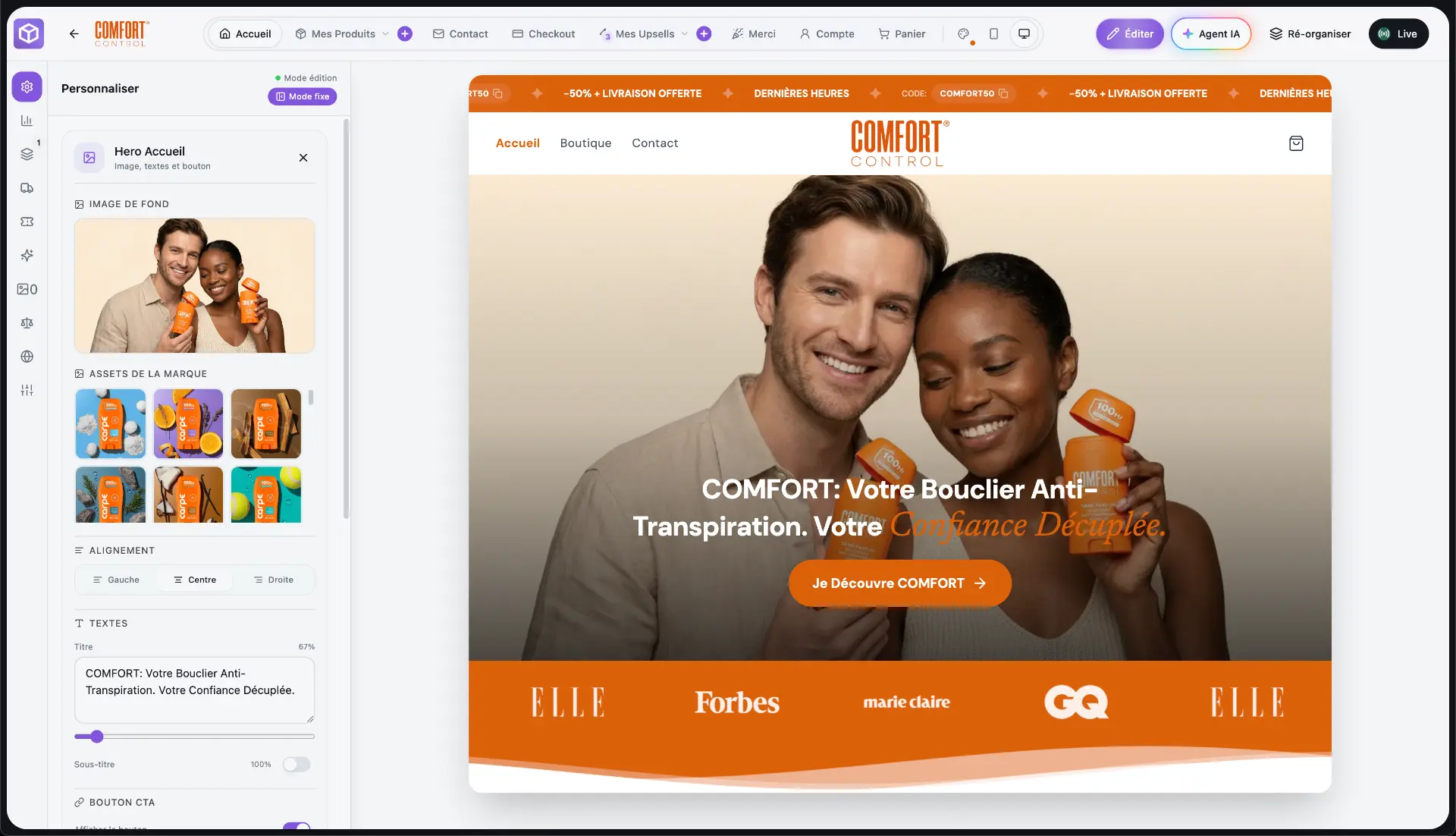
Compare Gumroad and BrandShipping on the physical-product workflow you need to add, not just how they sell your existing digital content. BrandShipping supports launching your own brand without holding inventory, with AI-generated stores and advertising creatives, a customizable checkout, and optional partner-warehouse fulfillment. If your digital sales already work on Gumroad, assess a separate physical-product store before assuming you need to migrate everything.
Start with what changes when you add physical products
Gumroad is commonly used to sell digital content, but adding branded physical products introduces a different operating workload. Compare product sourcing, brand presentation, shipping charges, order routing, tracking, returns, and customer support alongside checkout and fees. BrandShipping brings brand creation, storefronts, AI creatives, checkout, marketing, analytics, and optional fulfillment into an interconnected environment. The relevant question is whether you need another way to accept payment or an operating system for a physical-product brand. Do not assume either platform covers your exact requirements without checking the intended workflow.
- Map your existing digital-content workflow separately from your proposed physical-product workflow.
- Verify current Gumroad physical-product capabilities and policies against your actual requirements.
- Evaluate product, destination, packaging, and returns requirements before choosing a setup.
Compare brand creation and reusable AI assets
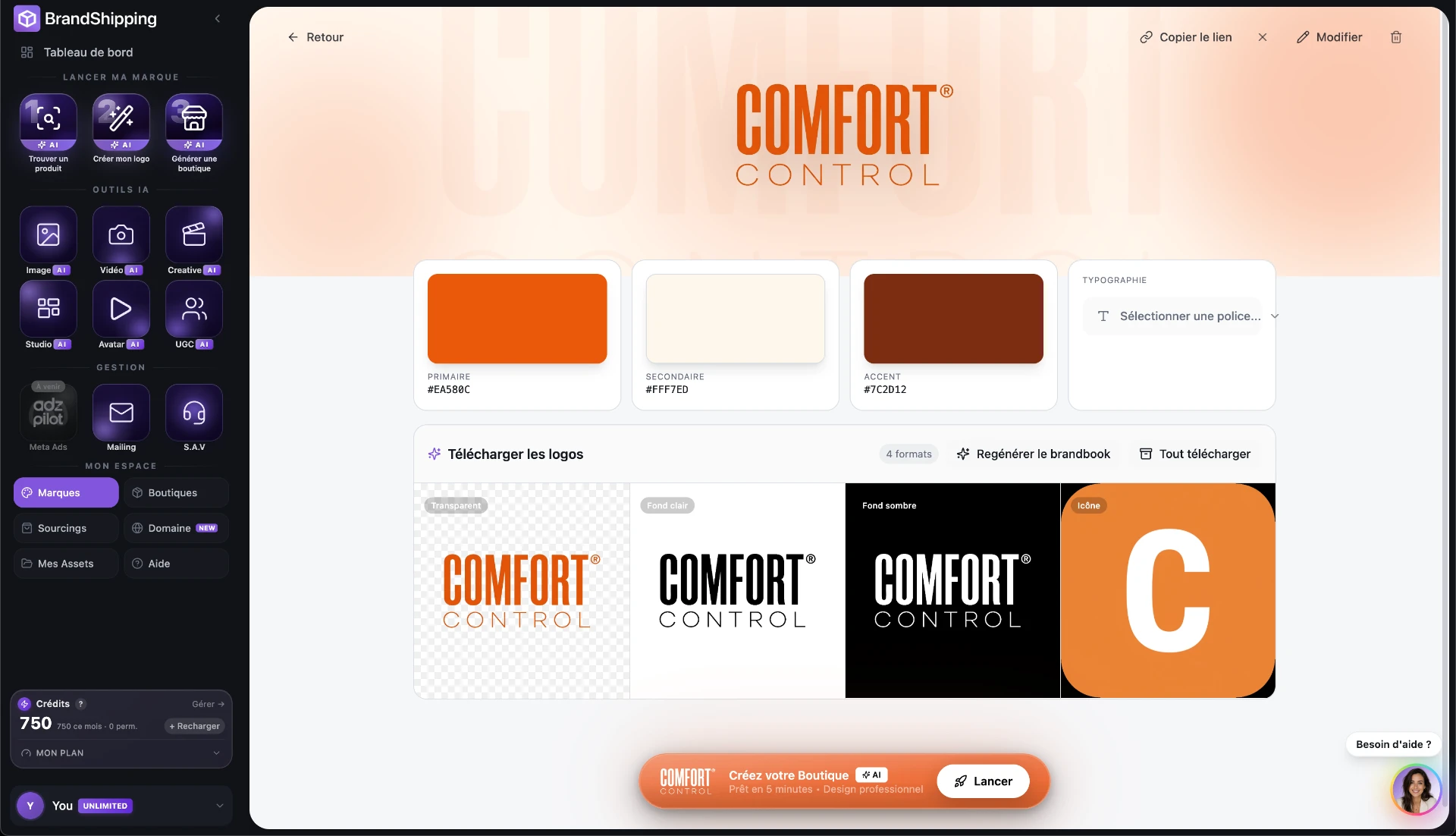
For an established creator, the physical product should extend the brand your audience already recognizes. BrandShipping uses AI to create brand assets, stores, and advertising creatives, with brand and product context reused across connected functions. Its hybrid method combines a real brand under your own name with selling without holding inventory and optional logistics delegated to a partner warehouse. Compare that workflow with the work your current setup requires for product pages, visuals, campaigns, and support. Confirm the available parcel-branding options rather than assuming every packaging or manufacturing customization is included.
- Check how your existing brand identity carries into the storefront and creatives.
- Distinguish shipping under your brand name from custom manufacturing or bespoke packaging.
- Assess whether shared brand context reduces repeated configuration across functions.
Evaluate checkout and fulfillment as separate decisions
BrandShipping offers a fully customizable checkout, Whop Payments within checkout, native subscriptions, and upsells. Compare these capabilities against your planned offers, especially if replenishment or recurring purchases matter. Payment acceptance still depends on the provider's conditions. Fulfillment is a separate choice: BrandShipping logistics is optional, so you can use partner-warehouse fulfillment or keep a compatible existing agent or 3PL. In the existing-logistics pathway, orders pass from BrandShipping through Shopify to the connected provider. Shopify therefore remains part of that setup, and the complete order flow needs verification.
- Test the purchase flow for your intended physical-product offer.
- Check shipping destinations, fulfillment charges, returns handling, and packaging options.
- If keeping your agent or 3PL, include the Shopify relay in your technical and cost comparison.
Compare the cost of adding a channel before replacing one
A working digital-content business does not automatically need a platform migration to add physical products. Compare keeping Gumroad for digital sales and adding BrandShipping for your physical brand with moving more of the business into one environment. Include platform subscriptions, payment processing, product costs, shipping, returns, advertising spend, and any retained tools. Do not assume shared customer records, combined carts, or automatic content migration between platforms. Review the [BrandShipping English homepage](/en) for its current offer, then validate the customer journey and operational responsibilities before committing to either architecture.
- Keep digital-content delivery and access requirements explicit in the comparison.
- Verify any integration rather than assuming native Gumroad synchronization.
- Compare total operating cost and coordination work, not subscription price alone.
Before you go further
Frequently asked questions
Build a brand, not a disposable store.
BrandShipping brings your store, checkout, payments, subscriptions, AI creatives, Meta Ads and fulfillment into one connected ecosystem.