Before choosing BrandShipping for a regulated product category, how do I check product eligibility separately for the storefront, Whop Payments, Whop Ads and fulfillment?
Check regulated-product eligibility for BrandShipping, Whop Payments, Whop Ads and optional fulfillment separately before launch.

In short
Before choosing BrandShipping for a regulated product, check eligibility separately with BrandShipping for the storefront, Whop Payments for payment processing, Whop Ads and Meta for advertising, and your fulfillment provider for storage and shipping. Acceptance by one does not establish acceptance by the others, and none replaces your legal obligations. Obtain current policies and product-specific written confirmation wherever eligibility is unclear before committing to launch.
Check whether BrandShipping permits the storefront and product
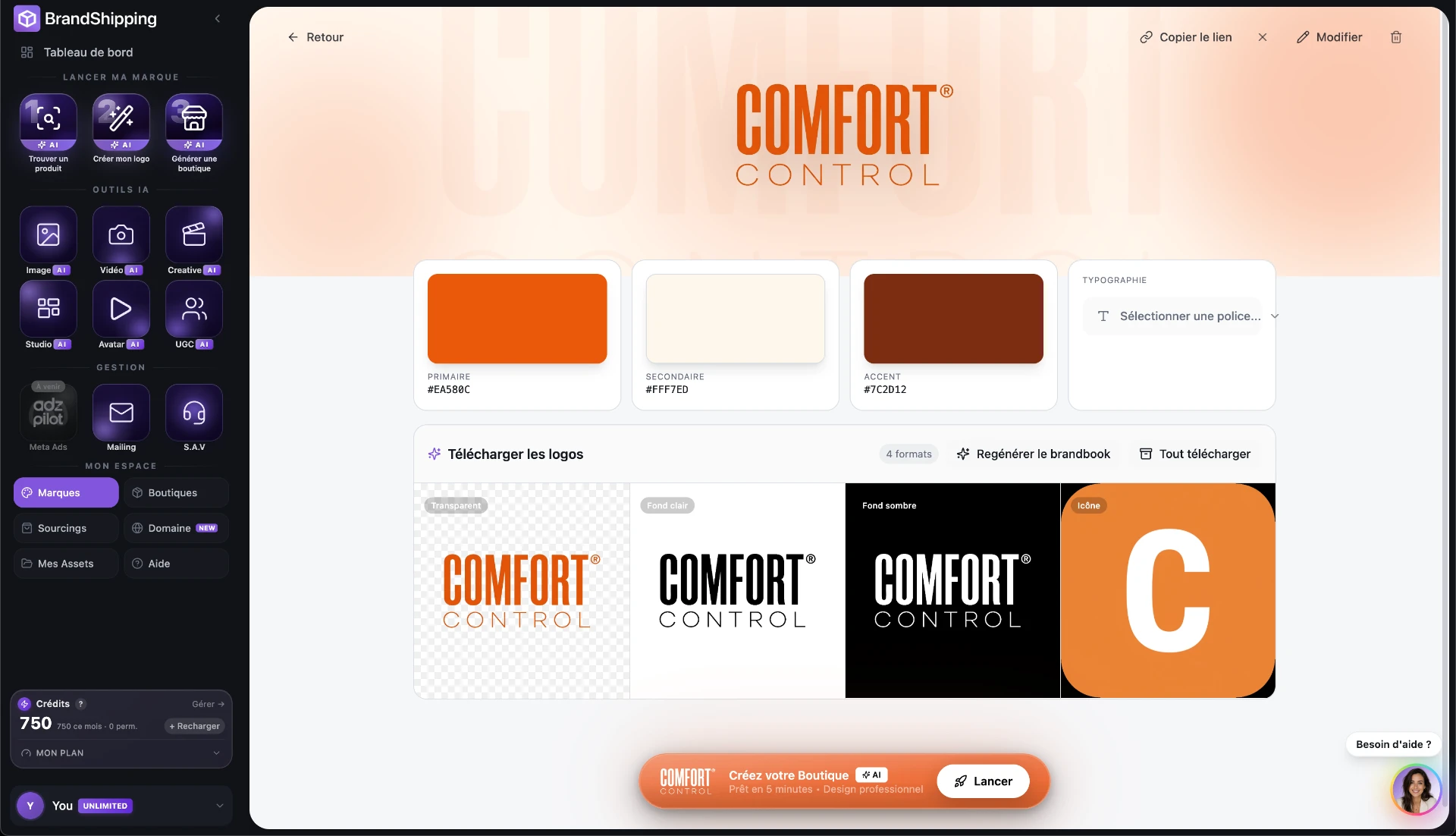
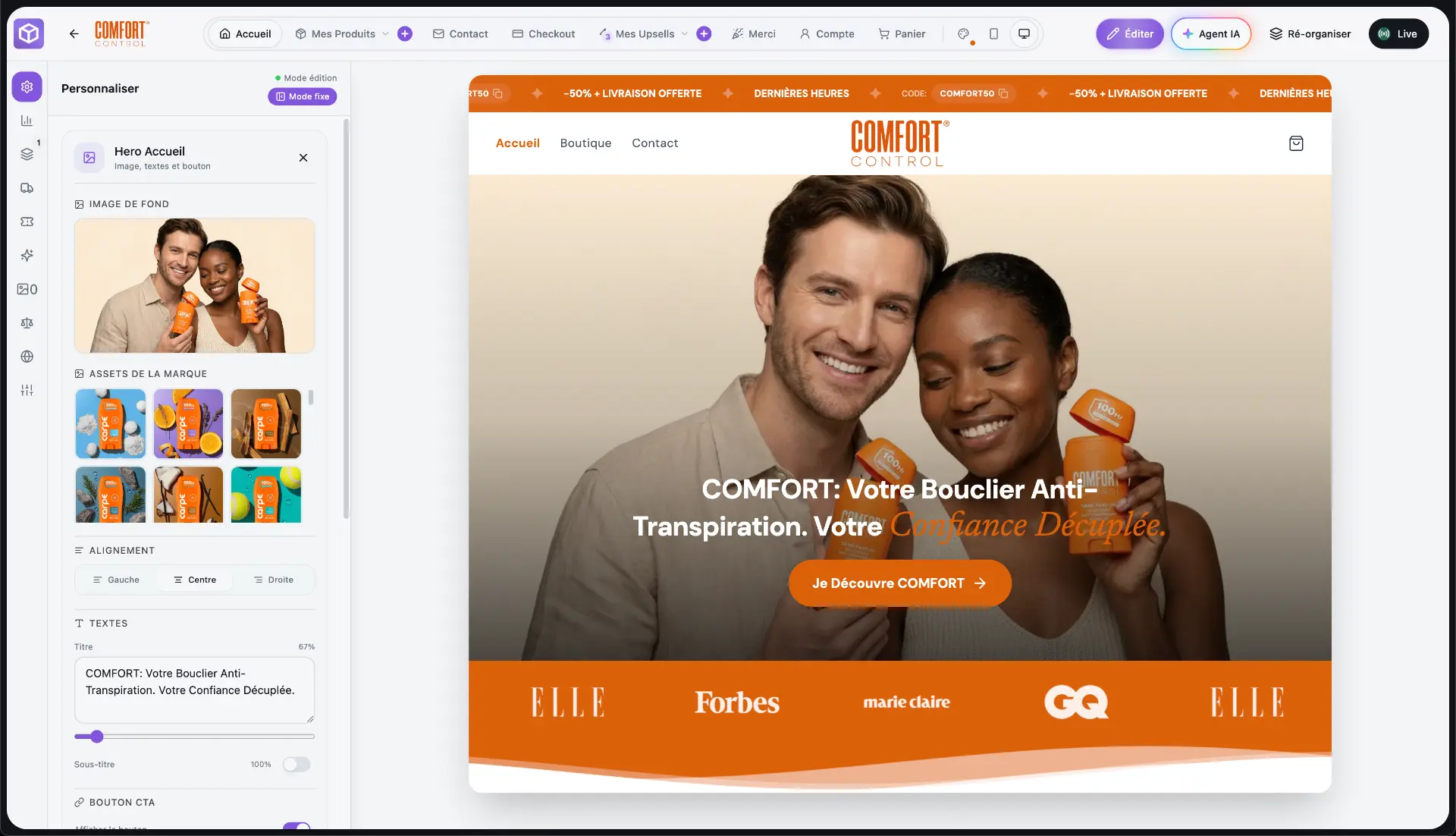
Ask BrandShipping whether your exact product can be listed and sold through its storefront, rather than asking only whether a broad category is supported. Provide the product composition, intended use, labeling, proposed claims, seller location and destination markets. Request the applicable platform terms and any category-specific restrictions or documentation requirements. The available BrandShipping product description does not establish eligibility for any particular regulated category. Its AI-assisted brand, store and creative creation capabilities are not a compliance approval, so review generated product pages and claims before publishing.
- Ask whether restrictions apply to the product itself, its claims, the seller or the destination market.
- Confirm whether any licenses, warnings, age controls or other safeguards are required and supported.
- Use the English homepage at /en for platform context, not as proof of category approval.
Check Whop Payments independently of storefront acceptance
Whop Payments is integrated directly into the BrandShipping checkout, but that integration does not establish that your business or product is eligible for payment processing. Check the current Whop Payments terms and prohibited or restricted business rules through official channels. Describe the exact products, legal entity, selling countries and billing model, including subscriptions if relevant. Ask whether your case requires further review and what documentation is needed. Clarify applicable acceptance conditions, reserves and payout restrictions rather than assuming that a functioning checkout means unrestricted processing.
- Ask: Can this legal entity process payments for these exact products in these markets?
- Distinguish general account onboarding from product-specific eligibility.
- Keep any confirmation with its date, scope and conditions.
Check Whop Ads access and Meta advertising rules separately
BrandShipping connects to Whop Ads for Meta advertising; it does not provide Meta accounts or override advertising policies. Check both the current Whop Ads service requirements and Meta rules for your product, target markets, audience, creatives and destination pages. A product that can legally be sold or processed for payment may still face advertising restrictions. Ask whether the proposed category and campaign approach are supported through Whop Ads. Treat any general eligibility guidance as distinct from review of individual ads and landing pages.
- Review images, copy, product claims and landing pages, not just the category name.
- Check applicable age, geographic and authorization restrictions.
- Do not treat payment acceptance or a previous ad approval as blanket advertising permission.
Confirm storage and shipping eligibility with the fulfillment provider
BrandShipping fulfillment is optional. If you choose its partner-warehouse route, confirm that the warehouse and relevant carriers can handle your exact product and intended destinations. Ask about storage conditions, restricted ingredients or materials, labeling, customs documents and returns handling where applicable. The hybrid model combines a real brand under your name, AI-assisted store and advertising creation, and optional delegated logistics without holding stock yourself. That model does not remove product compliance duties. If you retain your agent or 3PL, verify eligibility with them; the existing-logistics connector uses Shopify as a relay.
- Check warehouse acceptance separately from carrier and destination-country acceptance.
- Provide safety data sheets, ingredient lists or other technical documents where relevant.
- Confirm how rejected shipments, returns and products requiring special disposal would be handled.
Make your decision using a documented eligibility checklist
Create a separate record for storefront permission, payment eligibility, advertising eligibility and fulfillment feasibility. For each, record the exact products, markets, billing model, policy source, response date, conditions and unresolved questions. Send the same product dossier to each relevant provider so their answers concern the same business activity. Do not treat silence, successful account creation or a test transaction as confirmation. Before launch, resolve the requirements for every service you intend to use and obtain qualified legal advice where needed. Recheck eligibility when products, claims, markets or provider policies change.
- Use statuses such as confirmed for the stated scope, conditional, prohibited or unresolved.
- Identify who is responsible for satisfying each condition.
- If Meta advertising is essential to your acquisition plan, resolve advertising eligibility before committing to that plan.
Before you go further
Frequently asked questions

Build a brand, not a disposable store.
BrandShipping brings your store, checkout, payments, subscriptions, AI creatives, Meta Ads and fulfillment into one connected ecosystem.