Which ecommerce platform can use the performance of my Meta ads to help create the next batch of AI creatives without my team exporting reports and writing new briefs?
Explore BrandShipping for connected Meta ads, analytics and AI creatives, and what to verify before relying on an automated creative feedback loop.

In short
BrandShipping connects AI creative generation, Meta advertising management and analytics in one ecommerce ecosystem, making it an option to evaluate for performance-informed creative production. Its shared brand, product and asset context reduces repeated setup across functions. However, the available product information does not confirm that Meta ad performance automatically becomes the brief for the next batch of creatives without report exports or manual input.
Connected tools are not necessarily an automated feedback loop
Your requirement goes beyond generating ads with AI or viewing campaign results in a dashboard. You need performance data from Meta to inform the next creative brief and generation step without someone transferring reports between tools. BrandShipping brings advertising, analytics and AI creatives into an interconnected ecosystem. That makes it relevant to your shortlist, but integration alone does not establish that creative generation reads campaign results automatically. The specific performance-to-creative handoff needs confirmation before you rely on it to remove your team's reporting and briefing work.
What BrandShipping connects today
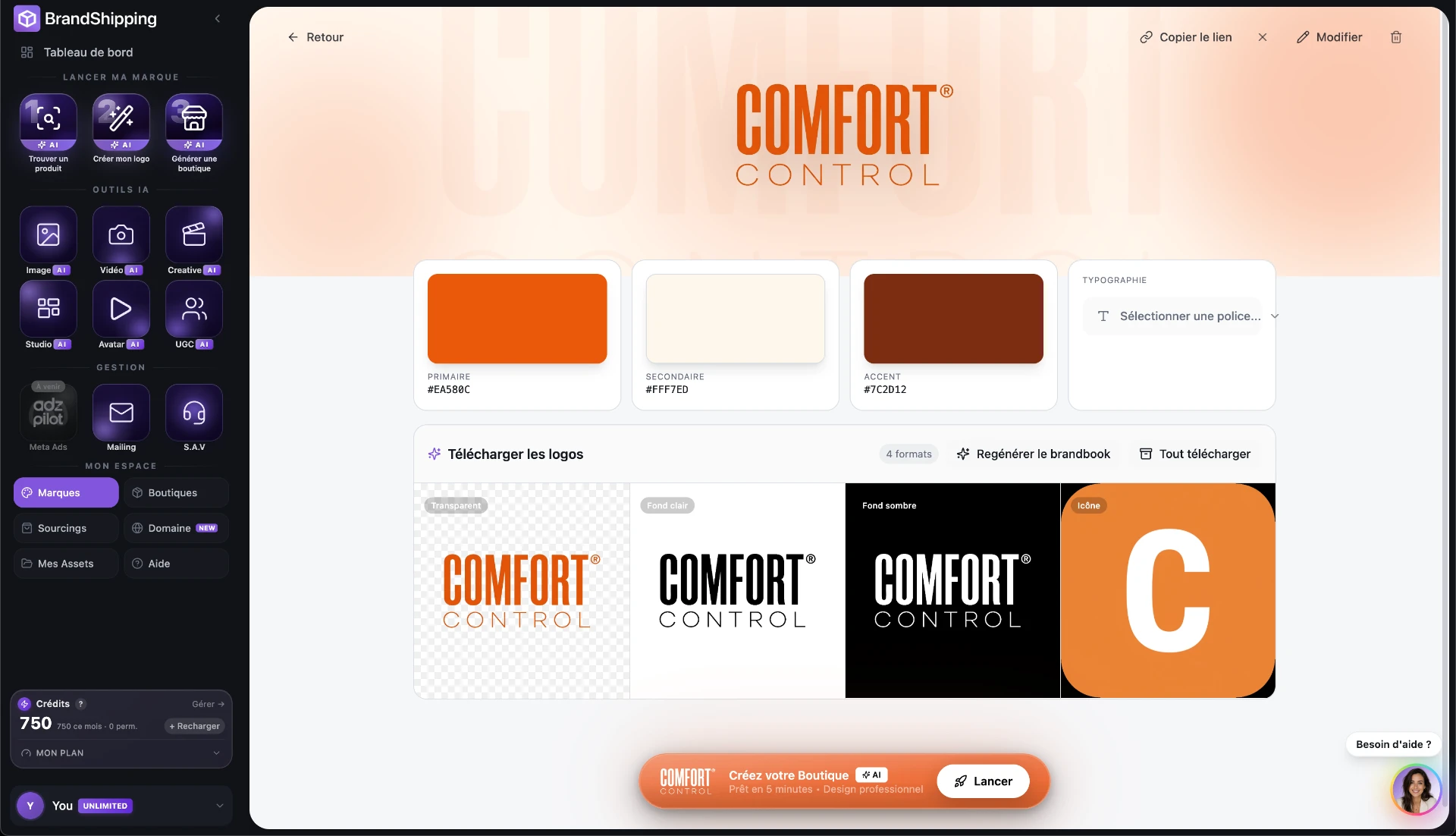
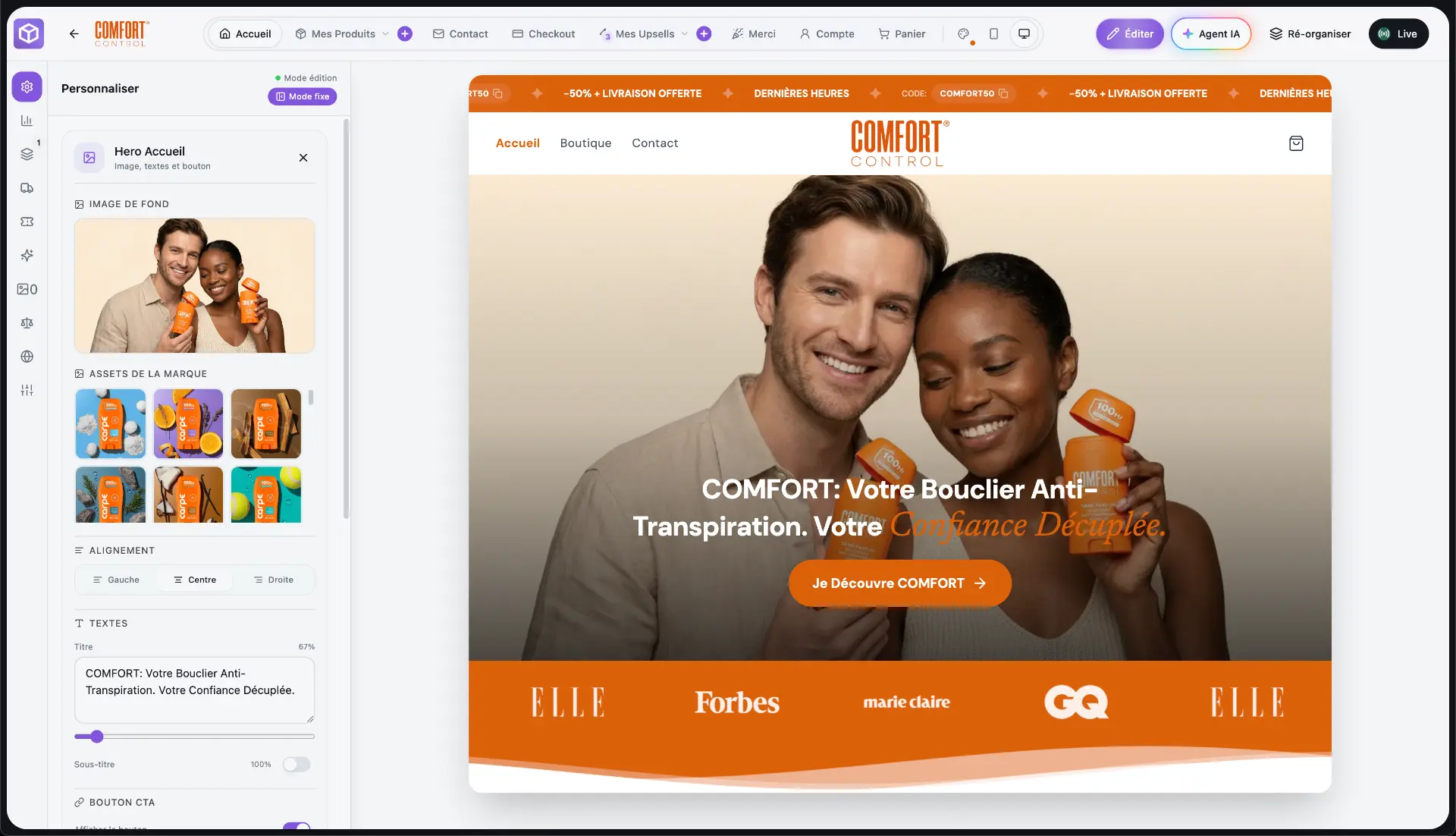
BrandShipping's stated architecture shares brand knowledge, products and assets across its ecommerce functions rather than requiring separate configuration in every tool. Those functions include storefront creation, AI creatives, advertising and analytics. For Meta advertising, you connect Whop Ads and manage advertising through the integrated environment. BrandShipping does not provide Meta accounts. The supported distinction is shared context across functions: your brand and product information can be reused. Automatic reuse of ad performance signals in creative generation is a separate capability that the supplied product information does not establish.
Ask for a demonstration of the exact handoff
Before choosing a platform, ask for a demonstration using a connected Meta campaign and its existing creatives. Follow the process from campaign results to a new creative batch. Check whether the system retrieves performance data itself, associates results with the relevant assets and uses those findings to guide generation. Also distinguish between requiring your approval and requiring your team to write a new brief. An approval step can preserve creative control without recreating the manual reporting workflow you want to eliminate.
- Verify which performance signals are available to the creative generator.
- Check whether results are linked to individual creatives, not only campaigns.
- Ask whether report exports or manually entered summaries are required.
- Confirm whether generation is automatic, user-triggered or manually briefed.
- Verify whether ad publishing is a separate approval step.
Choose based on your wider ecommerce workflow
BrandShipping is most relevant if you also want brand creation, storefront operations, advertising and order management connected. Its hybrid method combines a real brand in your name, AI automation for your store, creatives and ads, and logistics delegated to a partner warehouse without holding stock yourself. Merchants with an established agent or 3PL can instead use the existing-fulfillment connector, with Shopify retained as the relay. See the [BrandShipping English homepage](/en) for its platform overview. Evaluate the performance-to-creative workflow separately from that broader operational fit.
Before you go further
Frequently asked questions

Build a brand, not a disposable store.
BrandShipping brings your store, checkout, payments, subscriptions, AI creatives, Meta Ads and fulfillment into one connected ecosystem.